Melted by "MOGUMOGU Time"... Also a super rare sight of active movement! Spring at Higashiyama Zoo and Botanical Gardens as taught by a zoo enthusiast

Index
Higashiyama Zoo and Botanical Gardens (Chikusa Ward, Nagoya City), which boasts the largest number of animals in Japan, is holding a spring festival until May 6th (Wednesday). There are many events, such as animal talks by zookeepers! Zoo enthusiast Hagu Yoshida told us about the highlights, including rare sights of animals moving lively and their adorable eating times.
Observe actively moving nocturnal animals! The "Natural Animal House" is bright for only one hour after opening.
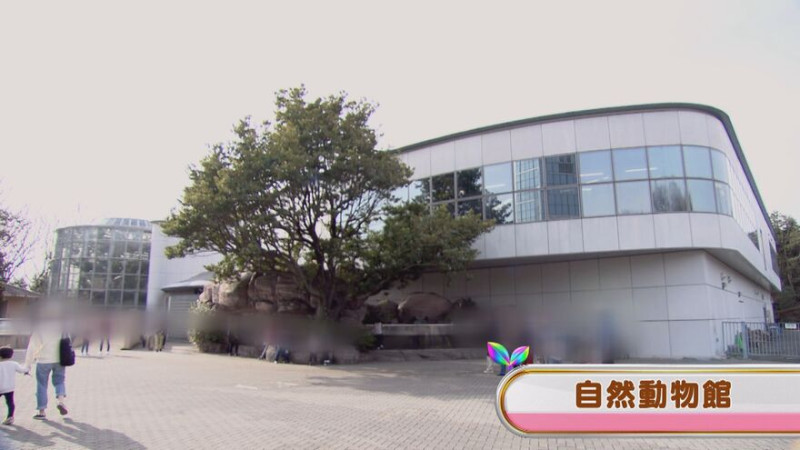
The "Natural Animal House" houses nocturnal animals and reptiles, including the adorable "Oriental small-clawed otter" and the rare "Echidna," a mammal that lays eggs.
The recommended time to visit is right after opening. The building is usually dimly lit, but for about an hour after opening, it is bright for cleaning and feeding, so you can clearly see the animals' body patterns and facial expressions.
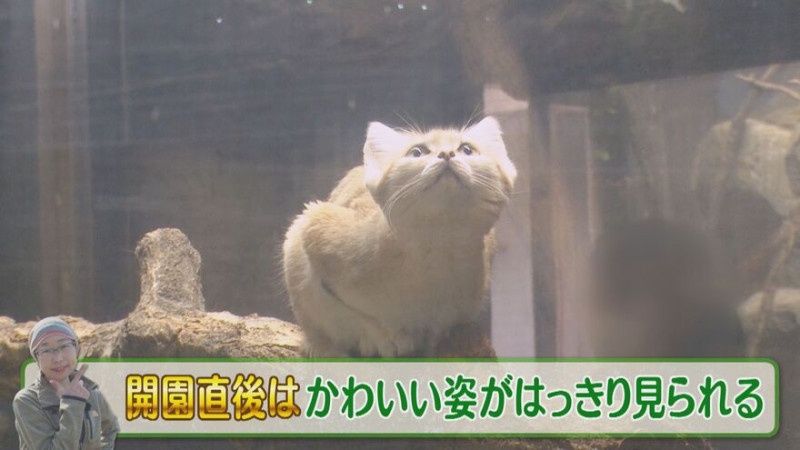
Among them, the most recommended is the "Sand Cat," also known as the "Angel of the Desert." It is usually difficult to see in the dark, but if you go right after opening, you can observe its expression up close.
Powerful yet heartwarming!? "Jaguar" recommended in the morning
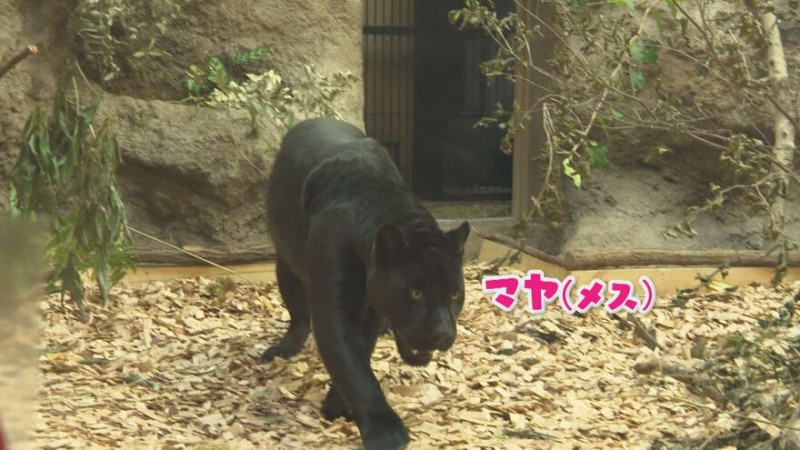
In the jaguar enclosure, which houses "Jaguars" of the cat family, Yuki with beautiful spotted patterns and Maya, a "black jaguar," live together.
If you want to see jaguars, the morning is recommended when they are actively moving around! Furthermore, even jaguars, which are usually powerful, sometimes lie down in their favorite spot, a super rare sight. This is said to be a sign that they are accustomed to the environment and relaxed.
Only here in Japan! The popular "Komodo Dragon"
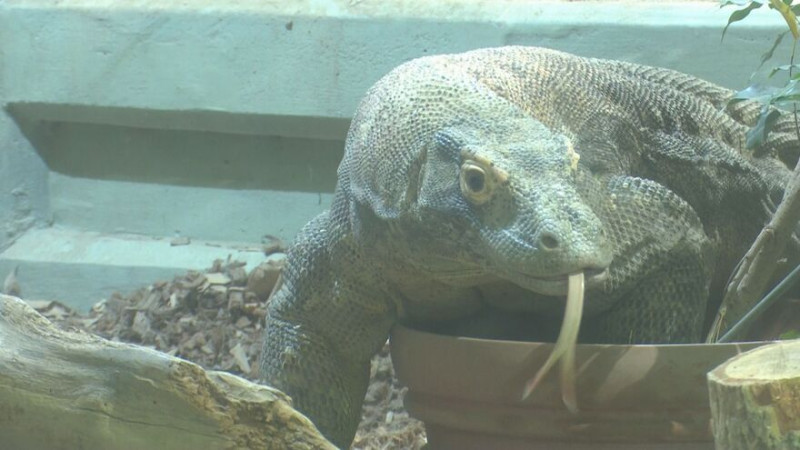
Taro, the "Komodo Dragon" that can only be seen at Higashiyama Zoo and Botanical Gardens in Japan, is a popular attraction that attracts many people every day. As the world's largest lizard, it is very powerful when seen up close!
In the afternoon, it is often crowded and the Komodo dragon is often in rest mode, but in the morning, it often moves actively and is relatively uncrowded, so it is recommended!
Also, a Komodo dragon monument appeared near the exit in February! You can enjoy taking commemorative photos at this new photo spot.
From the afternoon, "Mogumogu Time" occurs frequently!
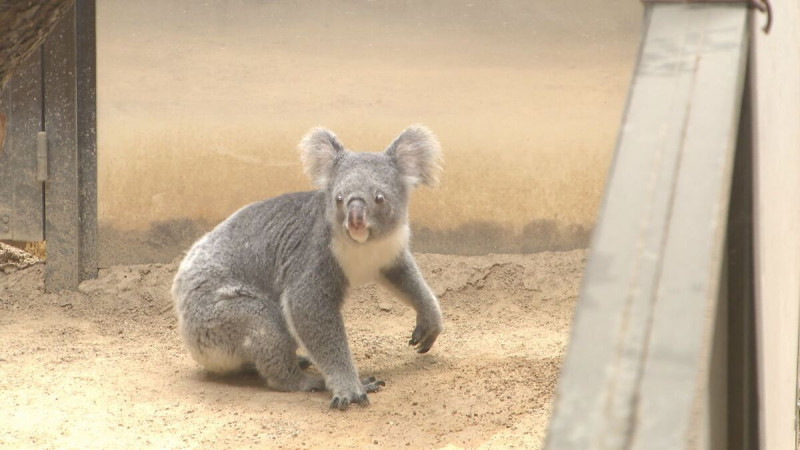
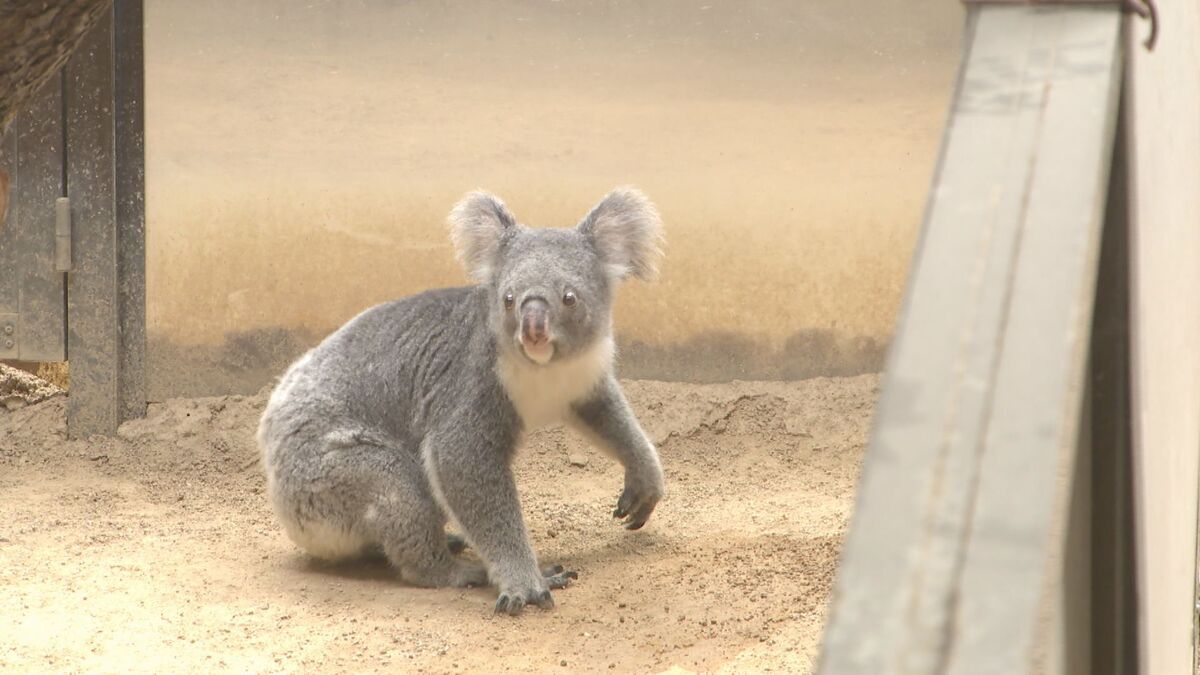
At 1 PM, it's "Koala" Mogumogu Time. Even koalas, who sleep for more than 20 hours a day, are active at this time.
Furthermore, at 2 PM, it's "Giraffe" Mogumogu Time. On Saturdays, Sundays, and holidays during the spring festival, you can enter the observation deck and see the giraffes up close at the same height as their faces.
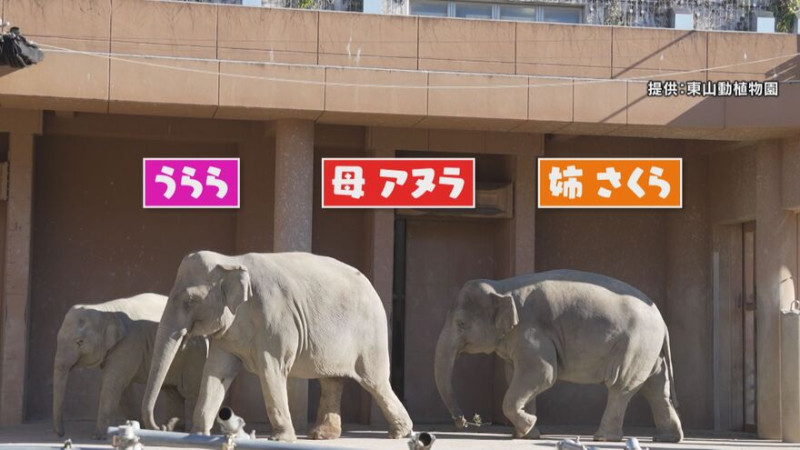
Also, a new feeding method has started for "Asian Elephants." To encourage movements natural to elephants, grass is placed in a position where they have to stretch their trunks to reach it, so you can see the dynamic eating of the mother, Anura. The children, Urara and Sakura, cannot reach the grass, so you can see their adorable sight of eating the grass dropped by their mother.
At 4 PM, close to closing time, it's feeding time for "California Sea Lions" and "Lions," so it's recommended to visit on your way out. *Times may change.
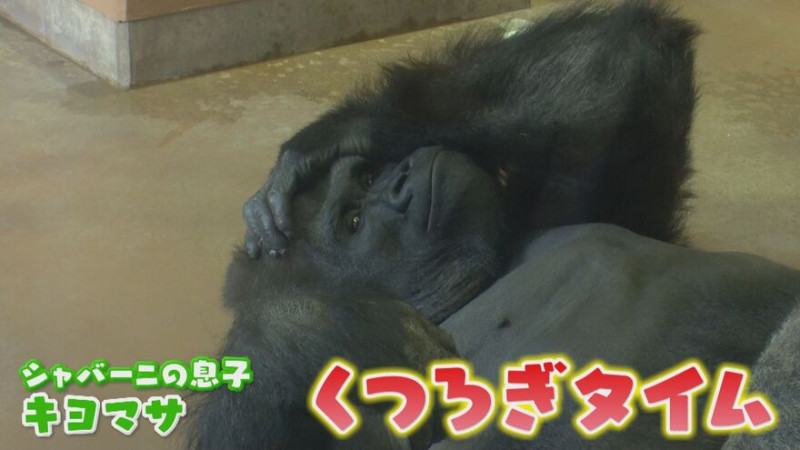
In addition, there are many other highlights, such as Keiji, the "Siamang" with an old man's cry, Shabani, the "Western Lowland Gorilla" known as a handsome gorilla, and his son Kiyomasa, and Kazuki, the "Chimpanzee" born in 2025!
Higashiyama Zoo and Botanical Gardens
Address: 3-70 Higashiyama Motomachi, Chikusa Ward, Nagoya City
Phone: 052-782-2111 (main)
From CBC TV "Naruhodo Presenter! Hanasaka Times" broadcast on April 4th, 2026 (Saturday) *Information in the article is as of the broadcast date.
ⓘThis translation was generated using AI and may contain inaccuracies.
Recommendations